Quartet of learning - Four schools

Project Information

Educational

Design Date: 2023
Status: under construction
Location: Iran, Boshehr
Area: 70000
Client: Pishgaman Fardaye sabz Deylam

Credit

Architecture

MARZ + ARSH4D
Principal Architects: Hooman Talebi | Pantea Eslami & Alireza Sherafati
Project Manager: Ehsan Masoud
Project Architect: Mehrnaz Zarrin-Hadid
Construction Detail Architect: Kaveh Mohammadkhani
Design Team: Farshad Nasiri – Asal Alizade – Razieh Rasapour – Zahra Rashtian – Minoo Mashhadi – Amin Taherabadi – Niayesh Azizzadeh – Negar Saadat – Arman Rahimi

Exterior Renders
Nikta Sedighi


Interior Renders

Pejman Taremi

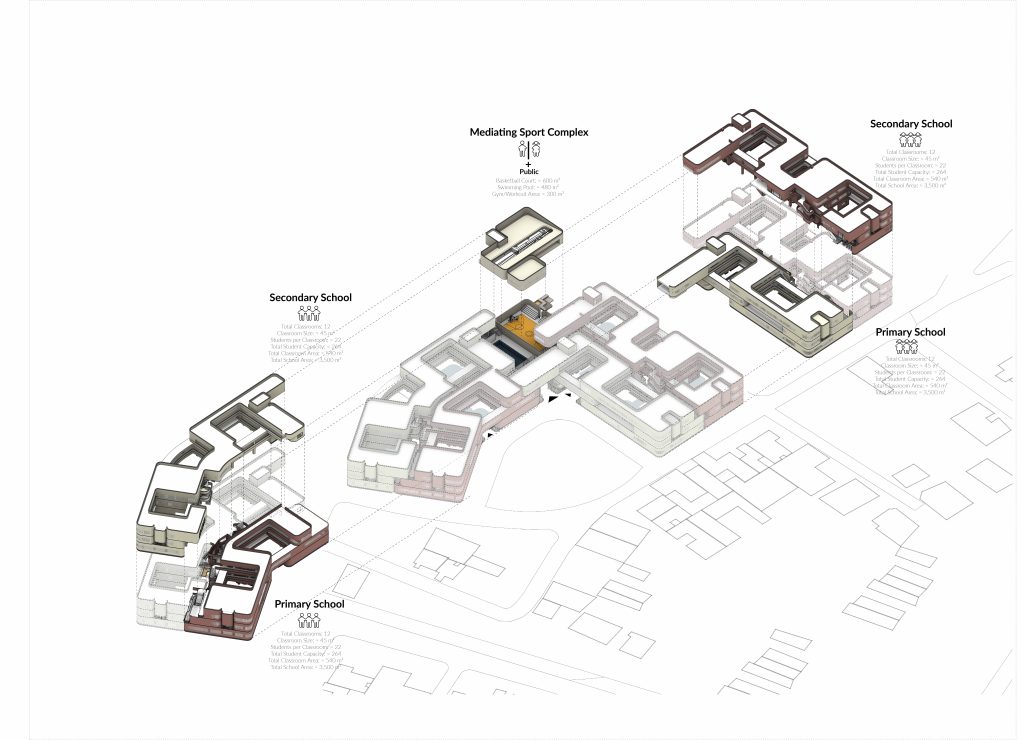
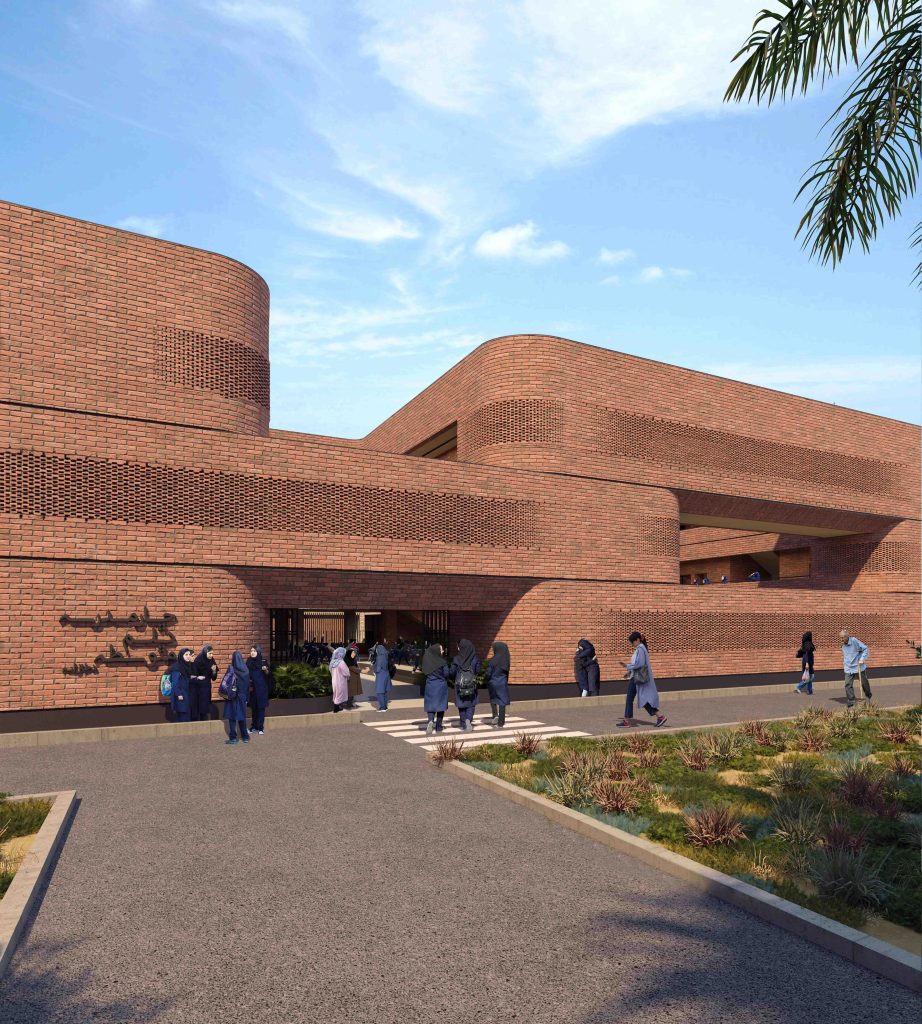
Quartet of Learning Four Schools in Spatial Dialogue is an educational complex composed of four interwoven schools: primary and secondary for both girls and boys. Within a context where strict physical separation is mandated between boys’ and girls’ schools, the architecture responds not by reinforcing division, but by gently and strategically dissolving it — without overstepping it. Boundaries are softened through overlapping programs, shared atmospheres, and interwoven spatial layers that quietly restore connection where it is formally denied.


Organization and Formation:

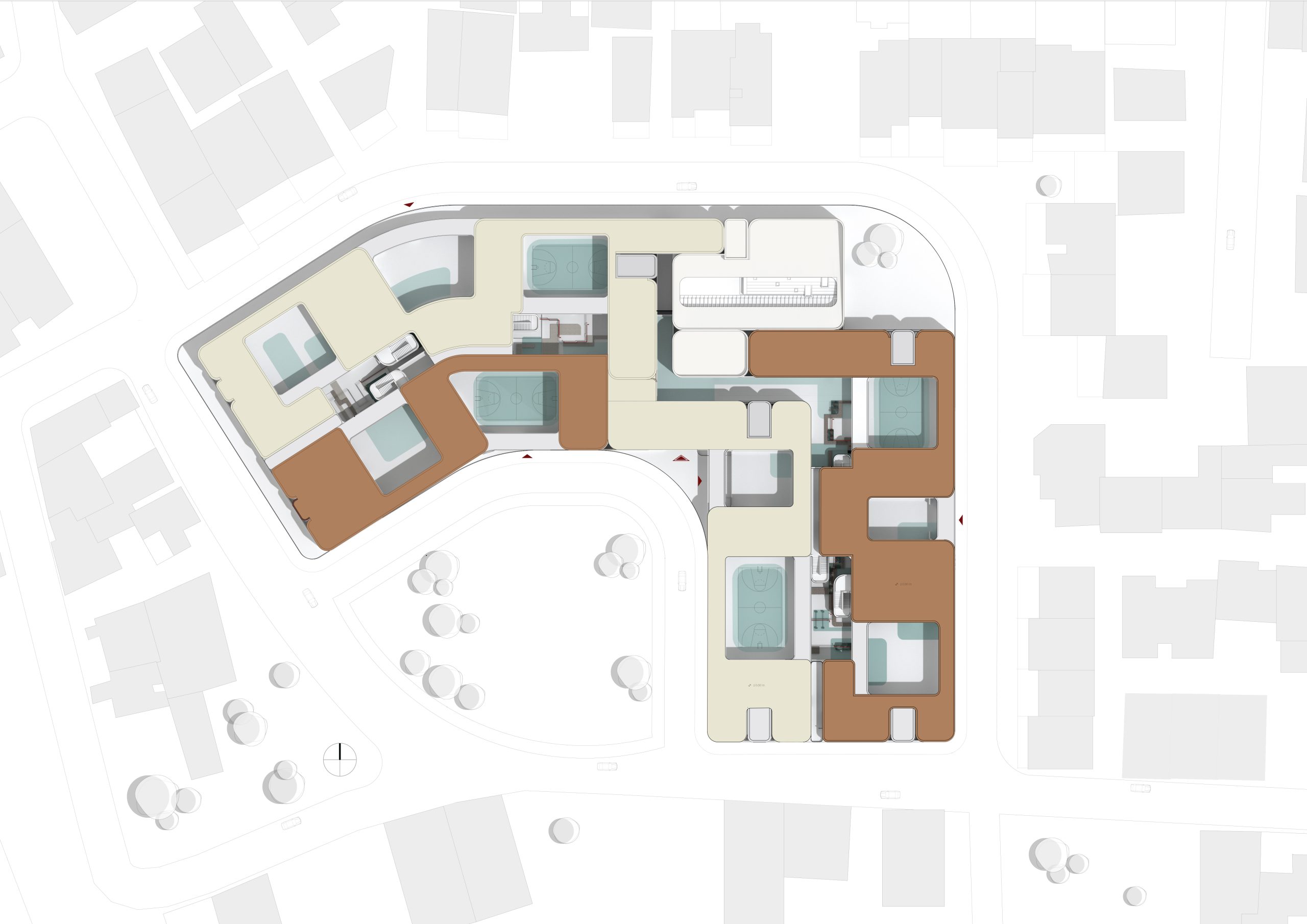
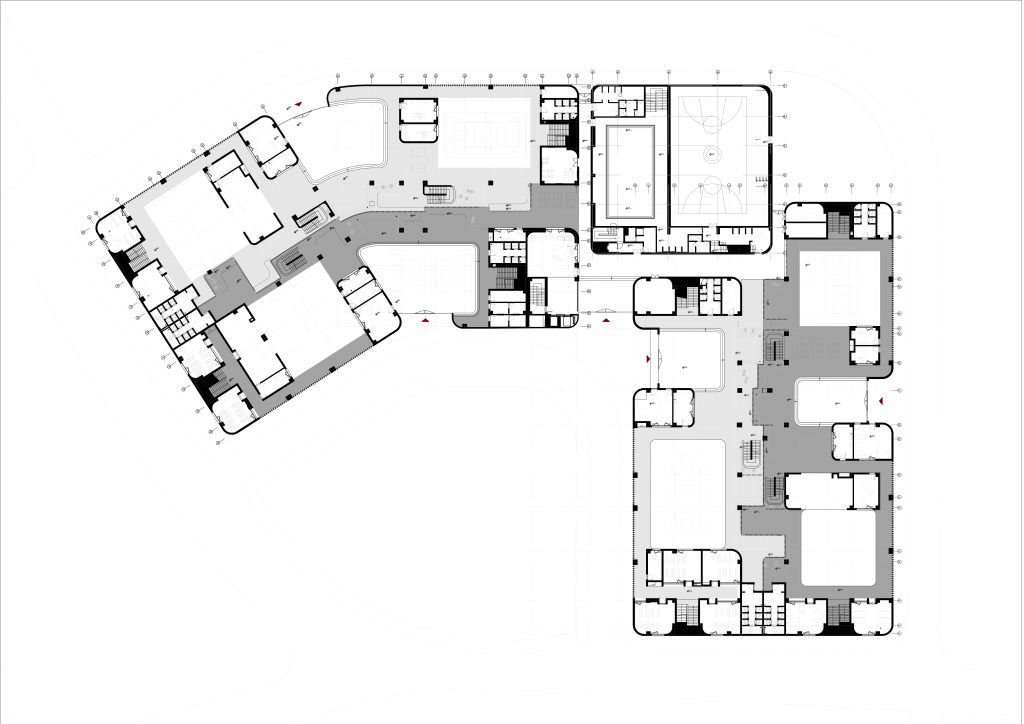
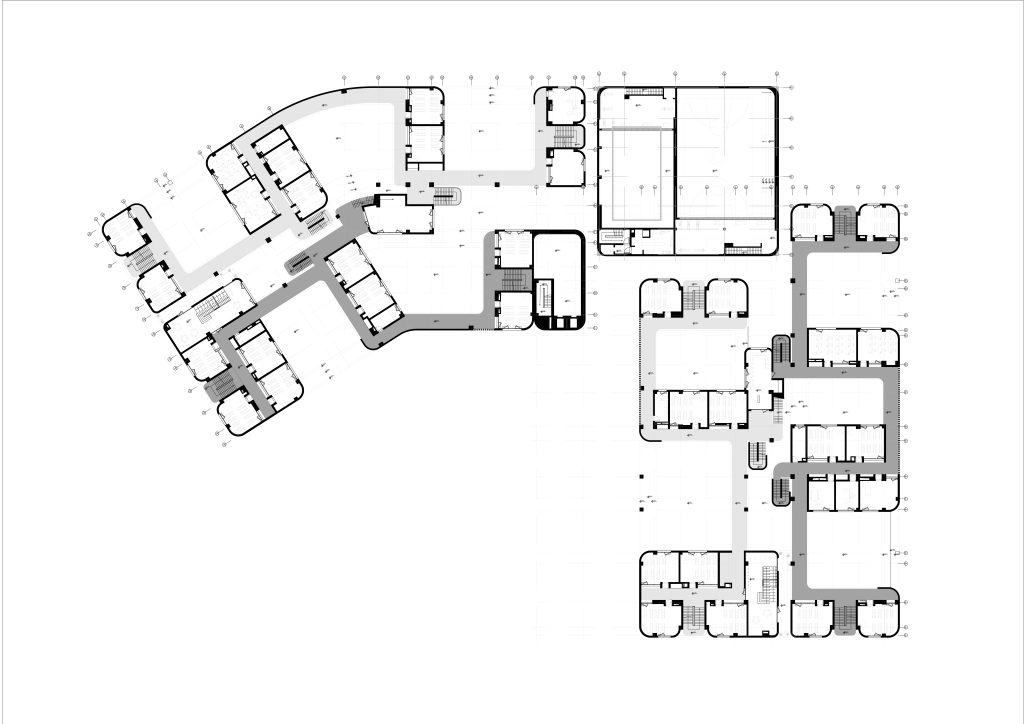
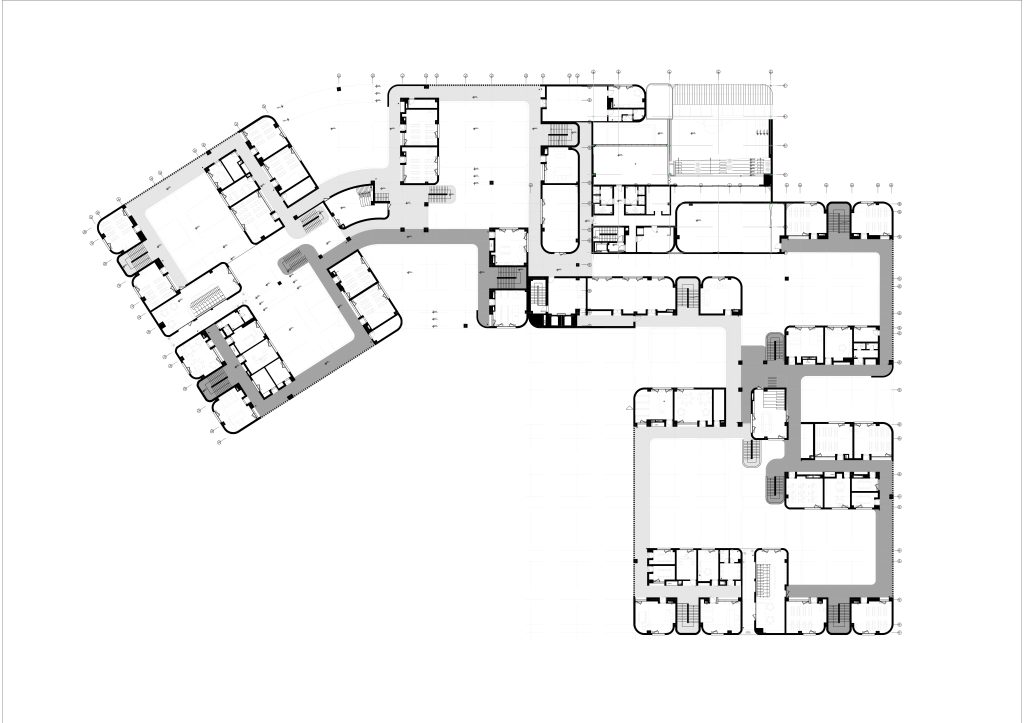
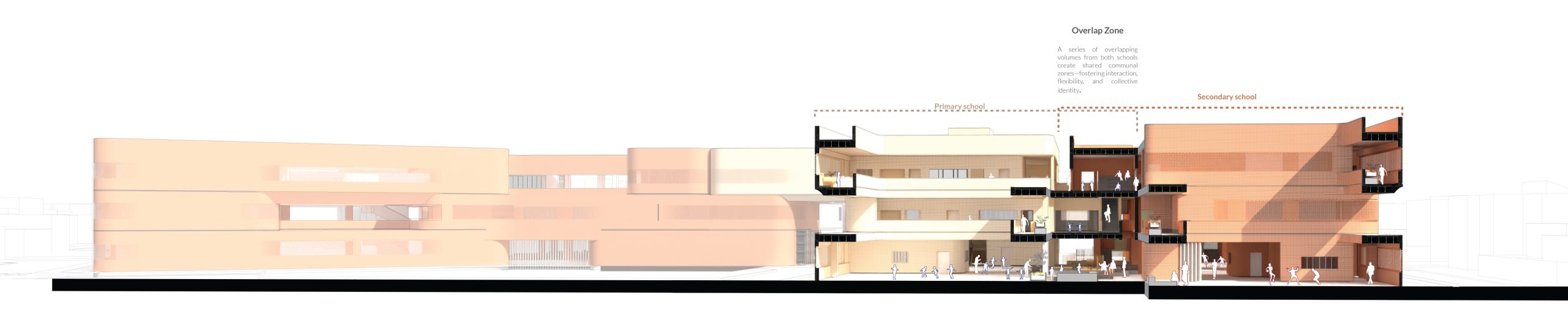
Located in Bushehr, Iran, the four schools — primary and secondary for both girls and boys — are organized as a unified whole while operating separately. The design transforms spatial limitations into opportunities for proximity, exchange, and layered visibility. Schools are placed in visual dialogue, with age groups within each gender — primary and secondary — facing each other to encourage a sense of continuity across learning stages.

Courtyards and Shared Courtyards:

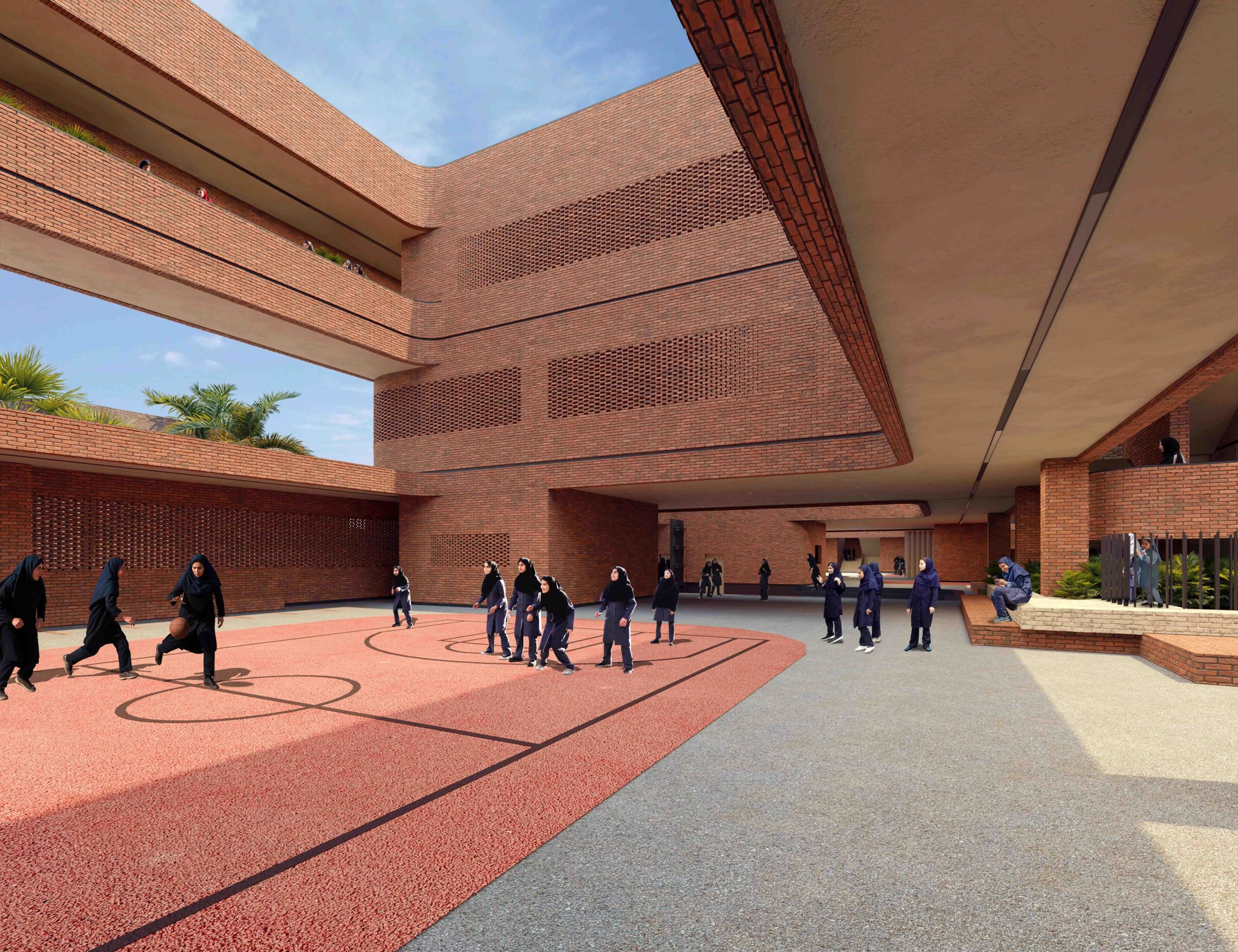
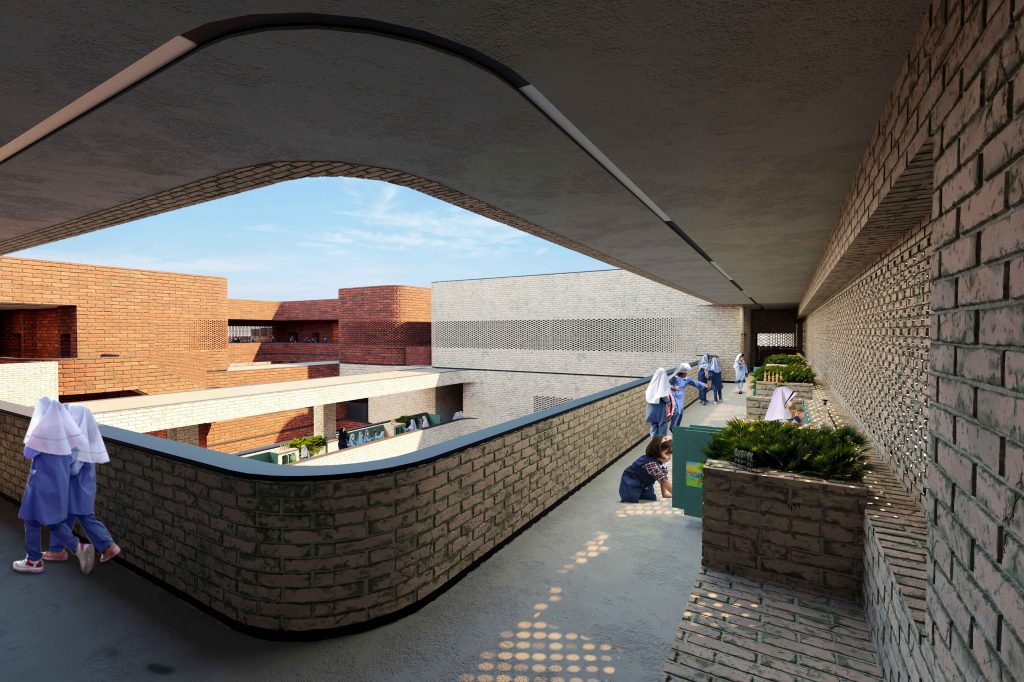
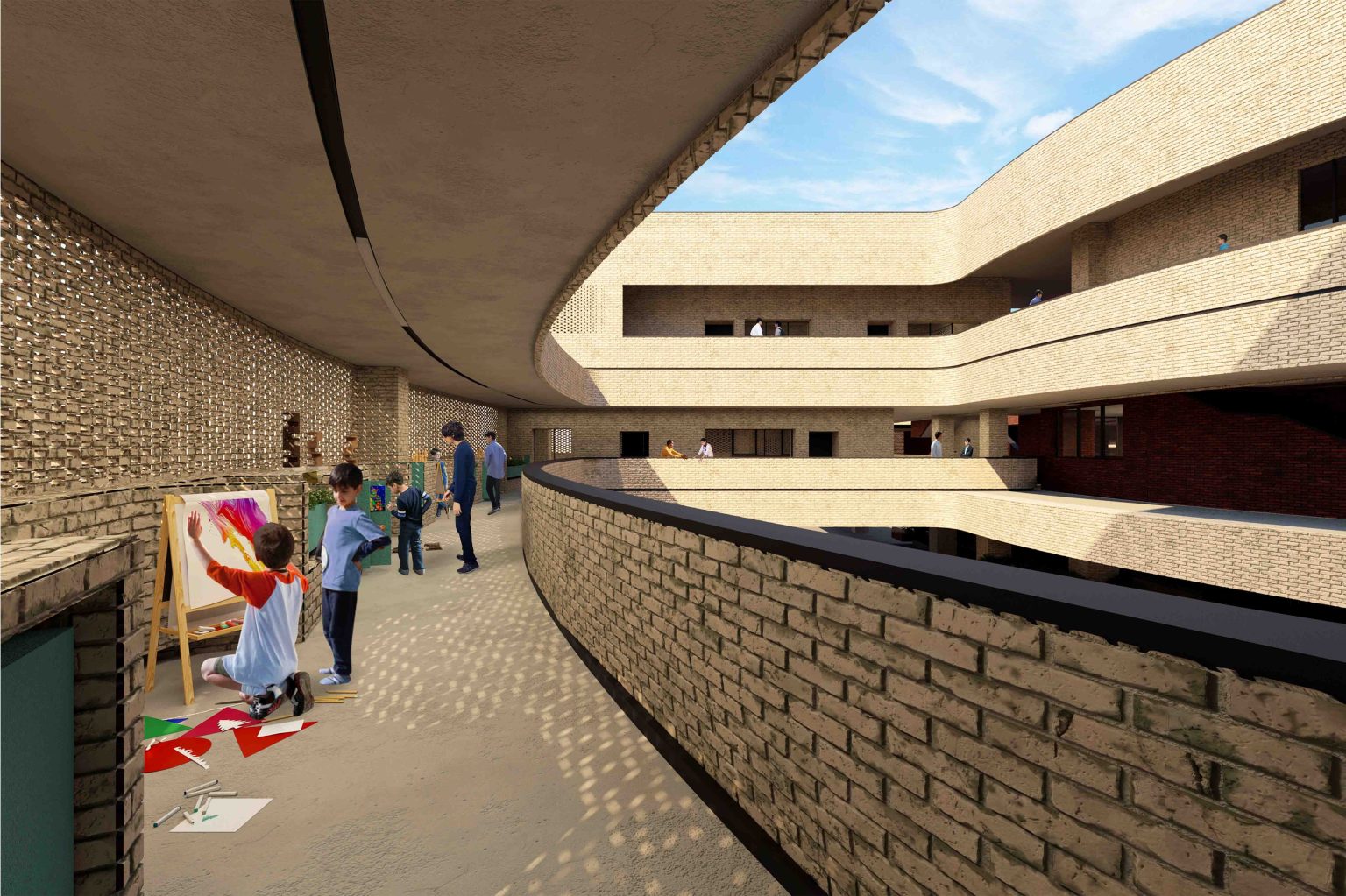
play a central role in this silent resistance. Instead of monumental open spaces, the design fragments them into smaller, interlinked courtyards connected by soft, shaded, S-shaped corridors.
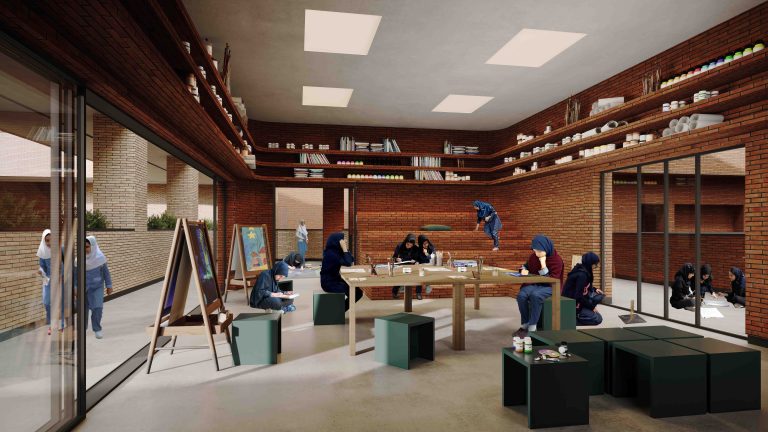
These in-between zones enable informal learning, movement, and observation — a spatial choreography that subtly resists segregation through everyday experience. Learning extends beyond the classroom through adjacent semi-open spaces that allow education to spill into the open air. Libraries and workshops are shared across age groups. A centrally placed sports complex is accessed by boys’ and girls’ schools in alternating cycles. Across all layers, the project avoids compliance with separation in spirit — using spatial softness, visual continuity, and collective experience to challenge isolation without violating regulation.

Beyond Classrooms: A Landscape for Extended Learning:

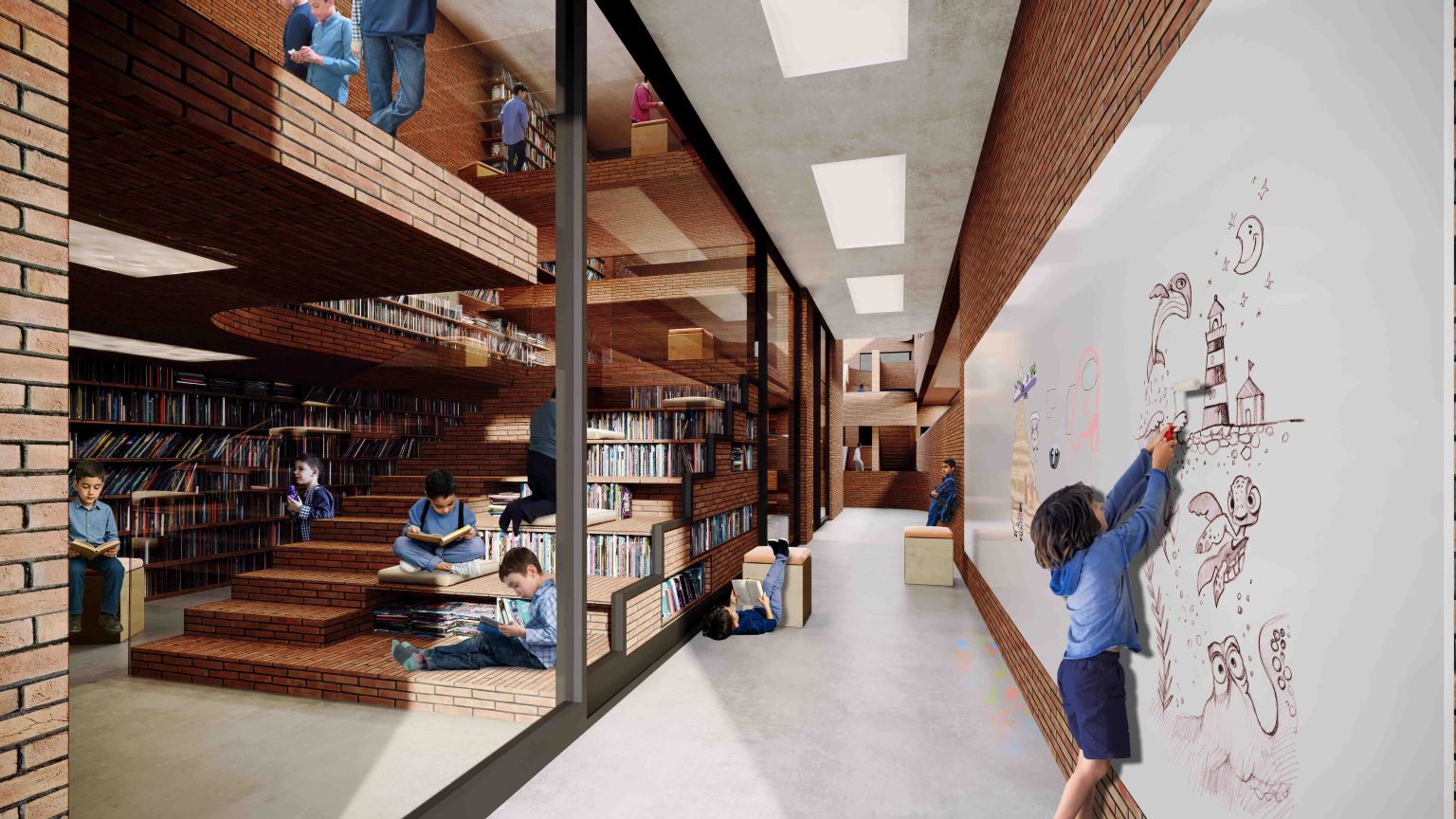
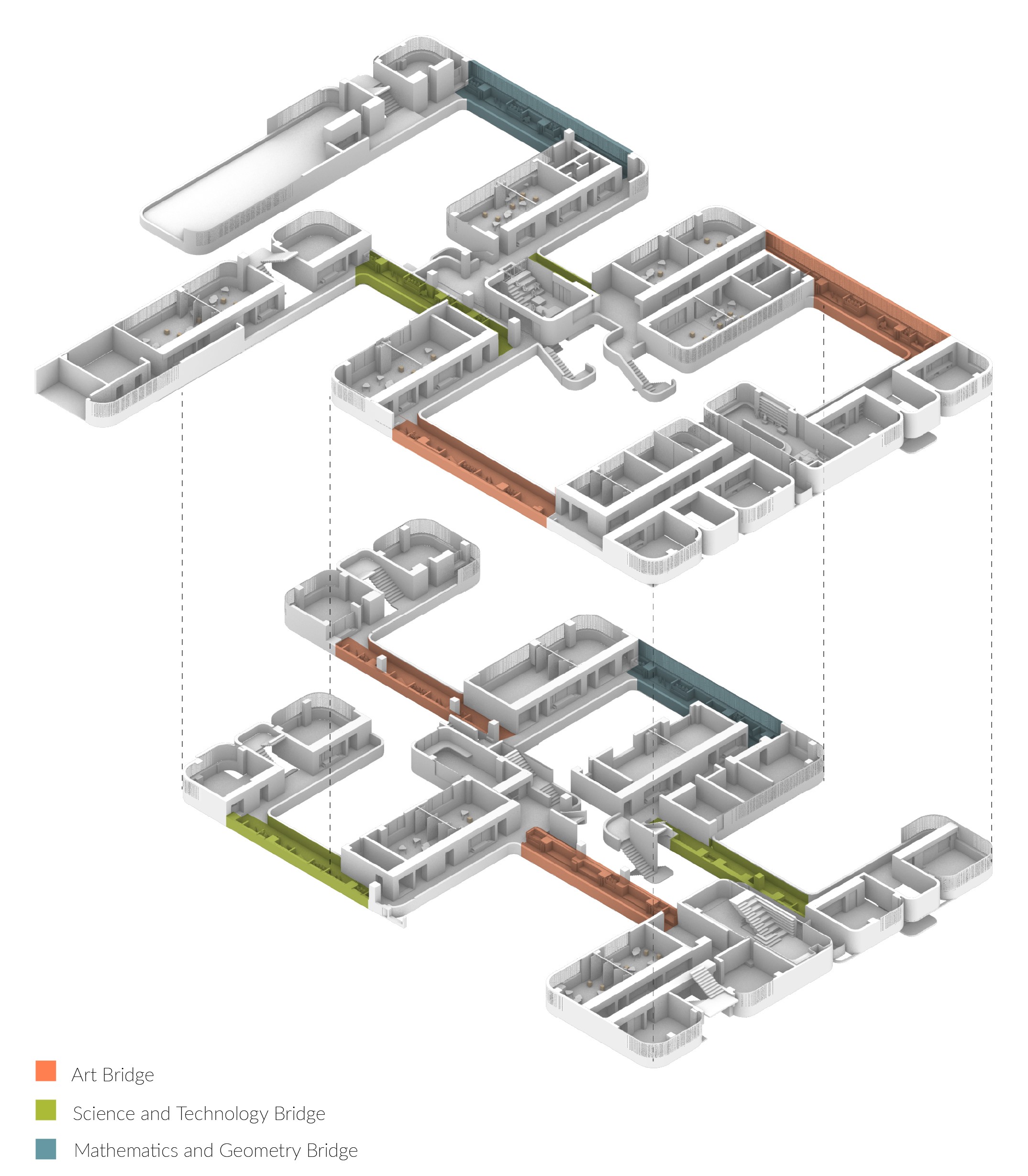
Learning extends beyond the traditional classroom through bridges as themed galleries, where projects and experiments are exhibited, creating a continuous educational experience throughout the school. These semi-open, thematic passageways — focused on Science & Technology, Mathematics & Geometry, and Arts — foster interdisciplinary engagement and allow education to flow dynamically across the campus. Courtyards, corridors, and bridges form a porous learning environment where physical and visual interactions thrive. Through this interconnected network, architecture becomes an active participant in shaping students’ agency, collaboration, and exploration.

Shared Spaces, Collective Growth:

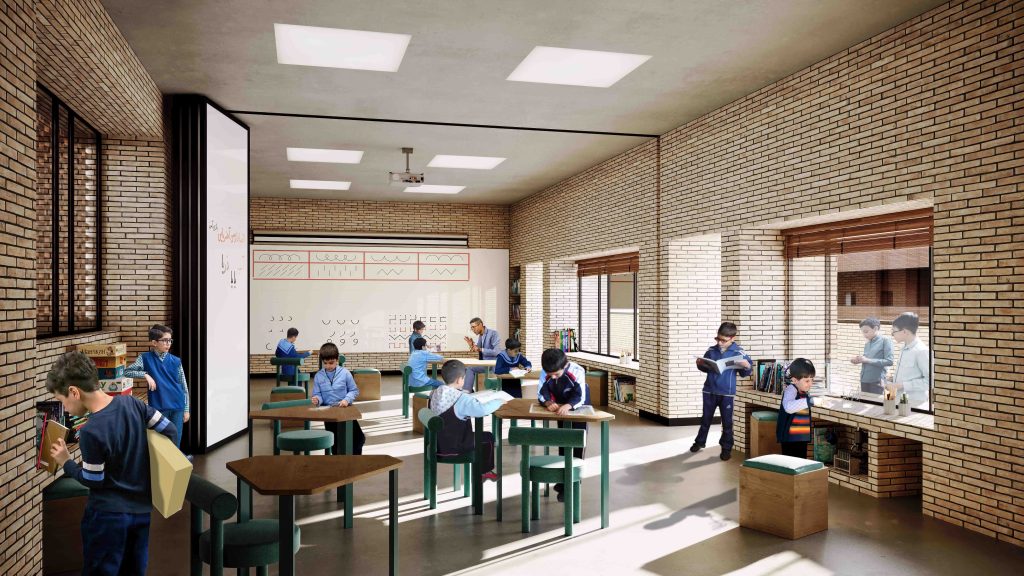
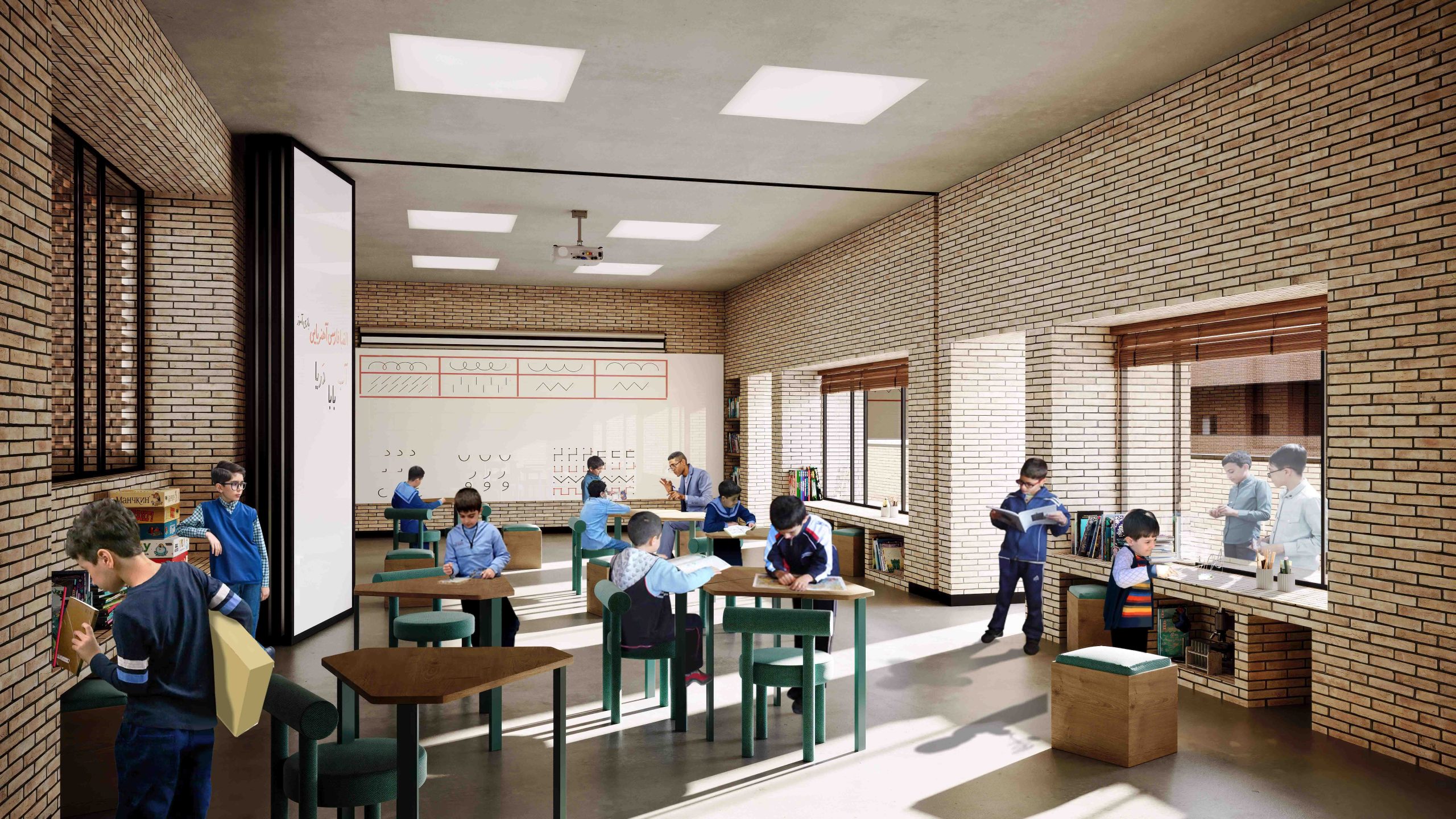
Workshops and libraries are shared between primary and secondary schools, fostering collaboration across educational levels. Visual connections, enhanced by adjacent courtyards, strengthen spatial continuity. Flexible layouts, mobile furniture, and semi-open zones encourage dynamic learning scenarios and extend education beyond enclosed spaces. Semi-open areas are strategically placed beside classrooms, allowing informal learning, group work, and fluid movement between indoors and outdoors. Classrooms are divided by flexible partitions, enabling spatial adaptation for various teaching styles, group sizes, or collaborative activities. This flexibility empowers teachers and students to actively shape their environment, reinforcing agency and adaptability. Centrally positioned, the sports facilities serve both educational and civic roles. Outside school hours, the sports halls open to the broader community, anchoring the campus within the urban fabric and fostering social integration, transforming the school into an active civic space.